


What Is Digital Transformation and What Are Its Benefits
Introduction
Some Businesses may think digital transformation is another trend, but it redefines and completely restructure how an organization delivers value. By 2026, organizations will implement and integrate technologies including ML, AI, and IoT, to develop cohesive systems. These innovations will improve the design of business activities and the construction of tailored customer journeys while enabling managers to make decisions based on data analytics.
It is imperative that digital transformation is a priority at all levels within the organization. It involves reorganization of the Business to make sure that all employees remain digitally oriented in a dynamic digital environment. For enhanced digital transformation to happen, organizations need more levels of collaboration to cater to fast-changing cycles of demand in the market and changes in trends. Organizations that invest in digital workplaces and empower their employees in such challenging environments will see a great level of employee engagement and productivity.
What is Digital Transformation?
Digital transformation can be referred to using modern technology to improve business operations and response to clients and the market. Some think it is simply moving operations to the cloud or replacing manual steps with digital ones. Digital transformation is more about altering the collaboration of people, processes, and technology.
Using modern technology, digital transformation eliminates repetitive tasks and uses the processes to collect and analyze data and improve collaboration. This not only helps businesses work smarter but helps them operate faster and adapt to market demands. Digital transformation helps businesses improve customer experience with each interaction.
Most businesses are embracing digital transformation to help them maintain a competitive edge. Adopting any form of modern technology or improving internal/external communication helps businesses grow. Creating a sustainable business that is modern and incorporates current technologies is the primary goal of digital transformation. The most important aspect of digital transformation is client satisfaction and employee satisfaction.
Importance of Digital Transformation
Importance of Digital Transformation
Today’s world is more tech-centric than ever, and businesses need to be able to grow quickly and adapt to digital changes. Rapidly advancing tech means that customers have exceptionally high standards and demand more. To cater to those needs, businesses need to digitize their internal processes and their drivers to meet customer demands.
- Boosts Efficiency: Makes operations efficient by automating mundane tasks and saving effort.
- Delivers Great Customer Experience: Assists businesses in offering customers more personal, fast, and consistent experience through all channels.
- Makes Data-Driven Decision Making Possible: Integrates data collected in various departments to enable valuable insights for better decision making.
- Boosts Business Flexibility: Allows companies to be flexible and quick in response to market changes and demands of customers.
- Encourages Innovation: Allows innovation through adopting innovative technologies such as AI, automation, and cloud computing.
- Fosters Collaboration: Facilitates collaboration within the teams and provides shared information and tools.
- Facilitates Sustainable Development: Offers a solid digital basis for sustainable development.
Benefits of Digital Transformation
Digital transformation is not only about technology. Efficiency, improved customer experience, and quality decision-making are possible due to digital transformation of businesses. Digital systems and data automation make it possible to optimize business processes and save money. It also makes growth opportunities possible. In today’s digital economy, companies regardless of age must embrace digitization to be competitive.
Better Data Collection and Management
The quantity of data produced every day by enterprises in today’s times is incredibly huge. With digital transformation, there are benefits in collecting data in an automated way from various sources. Employees and organizations get access to data much more quickly, and thus there are better decision-making processes.
Data-Driven Customer Insights
The enhanced customer experience is directly understanding customer needs. Digital transformation helps organizations consolidate customer data and feedback to better understand the customer. This helps to strengthen customer relationships and helps in developing better products and services.
Improved Productivity Through Automation
Increased efficiency decreased operational lag, cross-functional collaboration, and reduced human error are just a few of the benefits gained from the automation of formerly tedious and repetitive tasks.
Smarter Resource Management
Digital transformation makes separate systems, workflows, and data into an interconnected ecosystem. This leads to less resource redundancy as well as greater exploitation of resources.
Reduced Business Costs
With cloud computing implementation and other modern technologies, the company can cut down its costs related to the infrastructure, maintenance, and organization of processes.
Better Customer Experience
It is important for a customer to get the service with the help of various means of communication in a fast and effortless way. Digital transformation makes it possible for companies to give their customers, quick support service while fulfilling their needs.
Greater Agility of Business
Modern business takes advantage of modern technologies as they function in a flexible way to meet customer demand and consider market changes.
Improved Staff Collaboration
Modern digital workplaces allow using different collaborative tools, platforms, and means of communication with other employees.
Improved Business Growth and Profitability
Enhancing efficiency, reducing costs, and improving customer satisfaction provides the organization with sustainable growth options. Innovation is achieved along with improvement in organizational performance, which makes it possible for businesses to discover new streams of revenue.
Future proofing Your Business
Improving efficiency and cutting costs are important for organizations. They want to make their customers happy. When they do these things, it helps them grow in a way. This means they can try things and get better at what they do. Organizations can find ways to make money and stay ahead of others. Improving efficiency and cutting costs help organizations do all these things and make their customers satisfied, which is what they want.
Digital Transformation Trends in 2026
Digital Transformation Trends in 2026
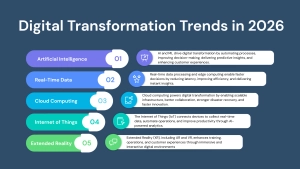
Artificial Intelligence (AI) and Machine Learning (ML)
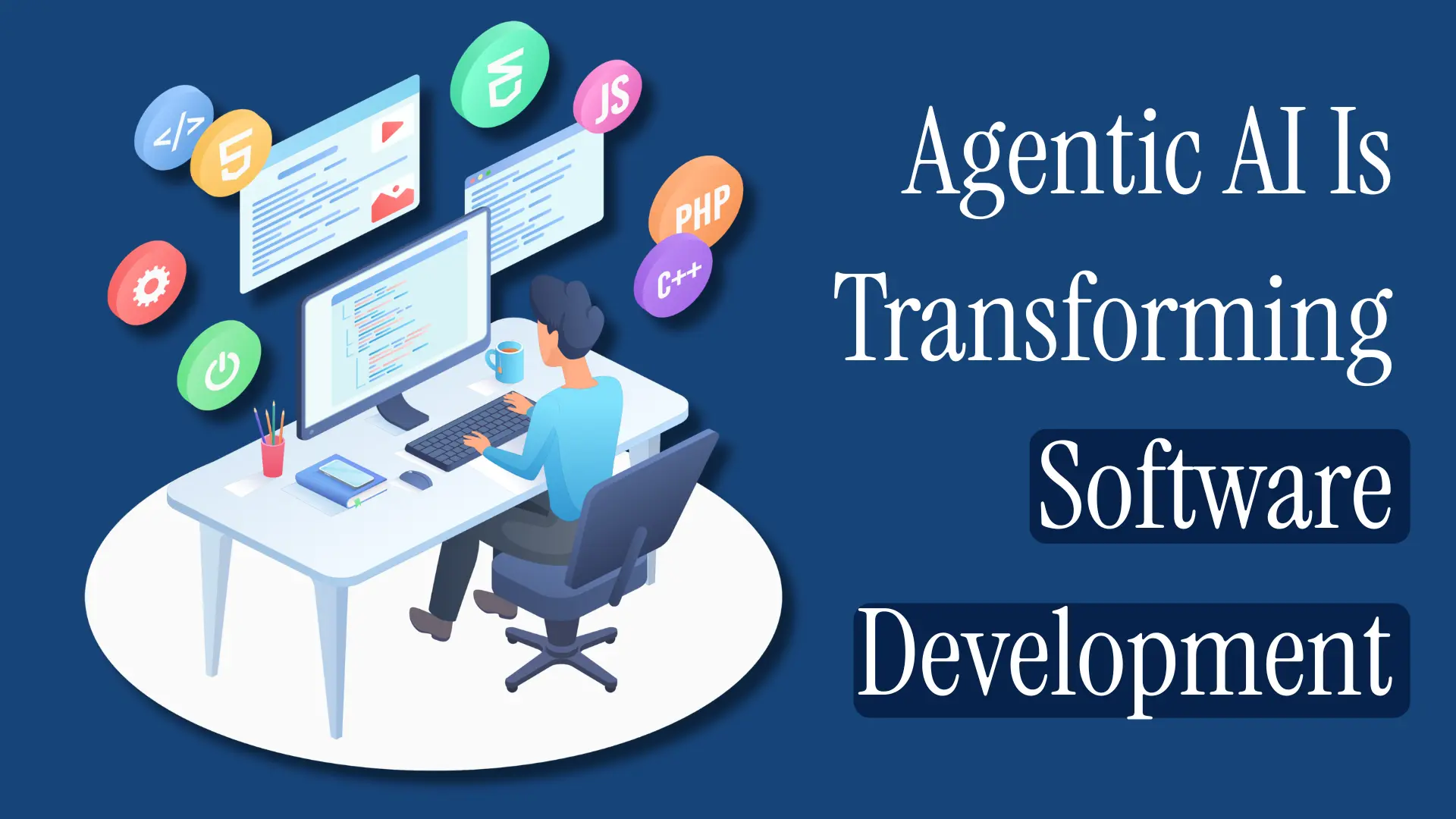
AI and ML technologies drive digital transformation through automation of processes, improved decision-making, and predictive insights. Companies utilize AI to improve customer experience, operational processes, and find new areas for growth.
Real-Time Data and Edge Computing
Real-time data processing and edge computing technology provide businesses with an opportunity to process information quickly. The benefits include reduction of latency, enhanced operational efficiency, and more promptness.
Cloud Computing and Multi-Cloud Strategy
One of the key technologies supporting digital transformation is cloud computing. With multi-cloud services, businesses can upgrade their infrastructure, improve collaboration, improve disaster recovery capability, and innovate digitally faster.
Internet of Things (IoT)
The Internet of Things allows companies to connect to various kinds of devices and sensors for collecting real-time data and automation of operations. The combination of IoT with AI and analytic tools provides organizations with an opportunity to improve their productivity and operations.
Cybersecurity and Zero Trust Security
With increased digitalization of organizations, cybersecurity has become an essential component for protecting organizational assets and securing sensitive information. The application of cybersecurity frameworks such as zero trust security and AI-based threat detection can be used in managing risks.
Extended Reality (XR)
Extended Reality (XR), which encompasses augmented reality (AR) and virtual reality (VR), has the potential to significantly impact the industries of learning, operation processes, and user experience. XR presents a distinctive way of building training and learning experiences as well as involving customers into interaction with products.
Data Privacy and Regulatory Compliance
The regulatory framework for data privacy is becoming increasingly developed, which implies that businesses should take measures to guarantee secure and reliable management of data. Data privacy and compliance with rules and regulations along with ethical treatment of customer data will assist companies in securing their data.
Low-Code and No-Code Development
With low-code and no-code software development platforms, businesses can build applications without any coding knowledge. Application of low-code/no-code platforms will assist in accelerating digital transformation by making the process of software development flexible and quick.
Blockchain Technology
Blockchain technology is leaving the sphere of cryptocurrency and is being applied in such areas as supply chain transparency, digital identity authentication, and transaction processing. This technology ensures trust, automation, and transparency due to its decentralized and immutable character.
Sustainable Digital Transformation
Sustainability has been a particularly crucial factor in recent digital transformations. Firms are incorporating green computing and energy efficient IT systems to make themselves sustainable.
How does CodeStore power digital transformation?
More digital capability leads to interconnected and adaptable businesses able to succeed. Understanding the digital marketplace and quickly developing advanced offerings has gone from a competitive advantage to a necessity. CodeStore Technologies develops digital solutions aligned with modern marketplace demands, offering the ability to operate efficiently, securely, and with growth potential. Our digital transformation services span the entire spectrum, from automation of processes to the cloud and modernization of legacy systems, and are tailored to the needs of your enterprise.
CodeStore Technologies will analyze the digital state of your enterprise and identify your operational constraints to create strategies for the purpose of integrating our services into your enterprise. Combining the beneficial aspects of AI, automation, analytics, cloud technologies, and the development of secure applications, our digital transformation services position your enterprise to win by breaking down the silos of data, gaining operational efficiency, and providing solutions to speed up your enterprise.
Security is inherent in all the digital transformation services we offer. We protect your business data by strengthening compliance to secure your systems without sacrificing speed. Our digital transformation services are geared to building a secure digital foundation for your business by integrating existing applications and creating secure digital frameworks that allow your business to grow.
We use our expertise to ensure the digital transformation services we offer result in tangible benefits for our clients. Our focus during your transformation is optimizing your operations, improving your customers’ experiences, reducing your costs, and enhancing innovations.
Whether your business is a start-up needing a contemporary digital foundation or an established business needing modernized, digitized enterprise-level operations, we offer the services, technologies, and strategies you need to confidently embrace the future.